On this page
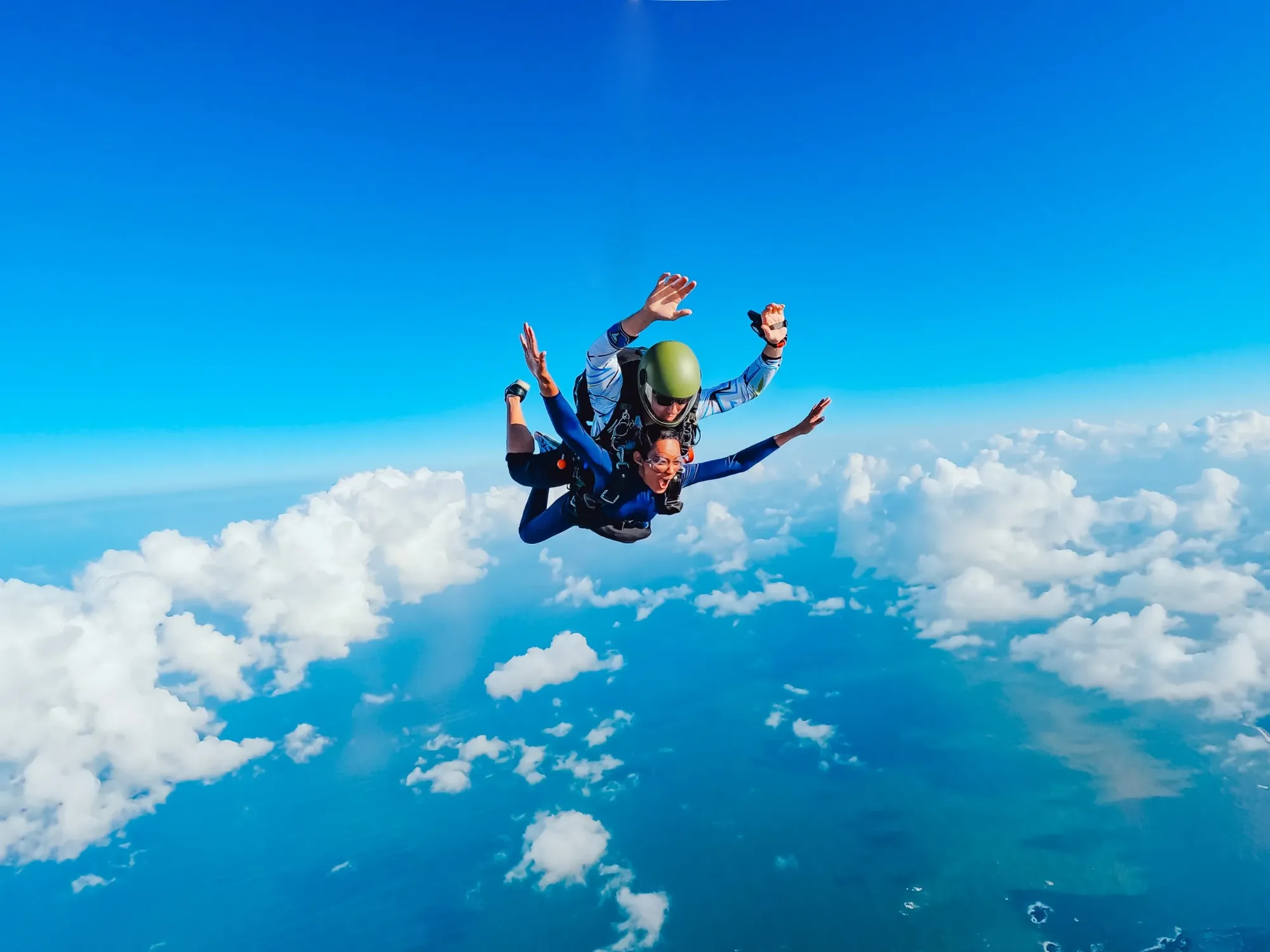
The short answer: no, you cannot do an outdoor tandem skydive in Bali in 2026. The island has never had a commercial dropzone. You can fly indoors — iFly Bali runs a vertical wind tunnel in Denpasar, open year-round, from age three. The first outdoor dropzone, Skydive Bali, is under construction in Tabanan and targeting 2027.
It is the most common question we get about Indonesia, and the honest answer surprises people.
Bali sells almost every other adrenaline experience on earth. Surfing, canyoning, volcano treks at dawn, bungee, white water, freediving. Ask about skydiving and the search results fill up with confident-looking listings — and almost none of them are what you think they are.
So here is the position as it actually stands, what you can book today, and where to go if you want a real exit from a real aircraft on this trip rather than in 2027.
The live Bali listing — what is bookable on the island today, the dropzone planned at Kelating, and the nearest operating tandems.
Why Bali has never had a dropzone
It is not lack of demand. Demand has been there for years, which is exactly why so many listings try to capture it.
It is airspace, terrain and permits. Southern Bali is dense with traffic into Ngurah Rai, one of the busiest single-runway airports in the region. A commercial dropzone needs three things at once: a runway to climb from, a landing area big enough to be safe on a bad spot, and a working arrangement with air traffic control that keeps jumpers and inbound airliners apart. Most of the island cannot offer all three.
That is a planning problem, not a mystery — and it is the reason the first dropzone is being built on the west coast rather than anywhere near the tourist belt.
What you can actually fly in Bali today
iFly Bali — Trans Studio Mall, Denpasar
A vertical wind tunnel, three metres by sixteen, generating winds above 160 km/h. You fly one-on-one with an internationally certified instructor, and the standard session is two rotations of sixty seconds each.
Sixty seconds is not an arbitrary number. It is roughly the freefall time of a full-altitude tandem skydive. That comparison is the honest way to think about a tunnel: you are getting the freefall, repeatedly and under coaching, without the aircraft, the altitude or the canopy ride.
What it costs: IDR 750,000 ≈ $42 for visitors, IDR 400,000 for Indonesian ID holders. Indonesia runs two-tier pricing at most attractions and iFly is no exception.
One thing the listings rarely mention: iFly sits inside the Trans Studio Bali theme park. You buy park admission first, then top up for your flight at the iFly counter in the Camera Zone. The price above is the top-up, not the total. Budget for both.
Who can fly: minimum age three — the most family-accessible flying experience on the island by a wide margin. Maximum weight 115 kg, operator-stated. Guests who are pregnant or have a history of injury or dislocation are not eligible. Everyone signs a waiver; a parent or guardian signs for under-18s.
Before you book: the operator states that tickets are non-refundable and cannot be rescheduled. Confirm the current terms with them directly before you pay.
Is a wind tunnel really skydiving?
No, and anyone who tells you otherwise is selling something.
What a tunnel gives you is the freefall itself — the noise, the pressure, the specific disorientation of your body being held up by moving air, and the fine motor control you need to fly it rather than just survive it. What it cannot give you is the door, the exit, the view from 13,000 feet, or the four or five minutes of quiet under canopy that most first-timers say they remember longest.
For families, for anyone under sixteen, and for anyone who wants to feel freefall without committing to a jump, it is genuinely worth the afternoon. Licensed jumpers use tunnels for exactly this reason: it is where body position gets fixed. If you are planning a tandem or an AFF course later in your trip, an hour in the tunnel first pays off immediately.
The outdoor dropzone: Skydive Bali, 2027
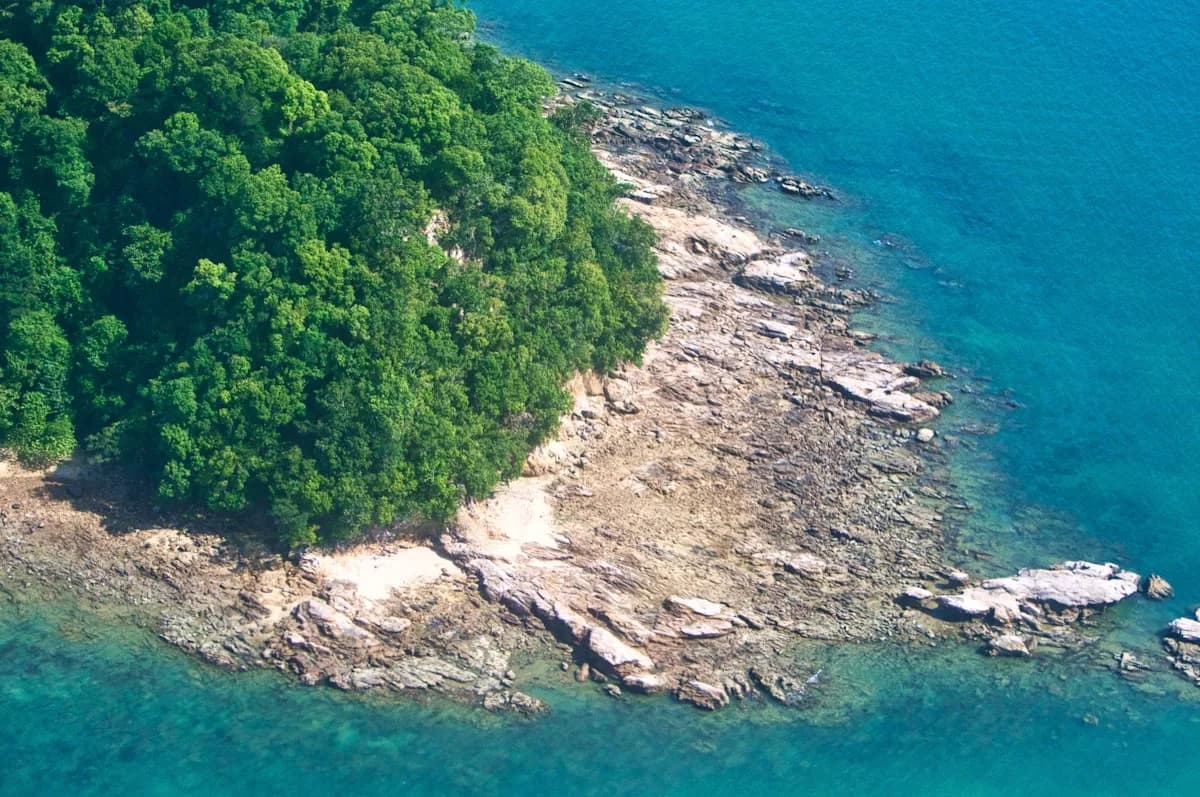
Skydive Bali is being built at Desa Kelating in Tabanan Regency, on the island's west coast — well north of the airport traffic around Kuta and Seminyak. It will be the first commercial dropzone anywhere in Indonesia.
The plan, as the operator has published it:
- Tandem exits from a Pilatus PC-6 Porter turbine
- Between 10,000 and 13,000 ft in the opening months, settling at 13,000 ft as standard
- Jump run over the Kelating rice terraces, Indian Ocean on one side, Gunung Batukaru inland
- Tandem only at launch, with AFF to follow
Civil aviation approvals are in place with DGCA, FASI, AirNav Indonesia and OTBAN Bali, and the runway is under construction.
On the date: the operator is targeting 2027 with no month set. We publish what operators tell us, and dates on projects like this move — runways, aircraft imports and final approvals all have their own timelines. Prices are not confirmed and we will publish them the moment they are.
Where to actually jump instead
If you want a real exit on this trip, the nearest options are a flight away. This is the honest comparison — every one of these is flying now.
| Dropzone | Where | Exit altitude | Tandem from | Getting there from Denpasar |
|---|---|---|---|---|
| Dropzone Thailand | Rayong, Thailand | 13,500 ft | THB 8,000 ≈ $238 | Direct DPS–Bangkok, then road to Rayong |
| Thai Sky Adventures | Pattaya, Thailand | 13,000 ft | THB 9,450 ≈ $281 | Direct DPS–Bangkok, then road to Pattaya |
| Skydive Palawan | Palawan, Philippines | 10,000 ft | ₱27,825 ≈ $443 | Via Manila |
| Skydive Siquijor | Siquijor, Philippines | 10,000 ft | ₱27,850 ≈ $444 | Via Cebu, then ferry |
| Skydive Cebu | Bantayan Island, Philippines | 10,000 ft | ₱28,350 ≈ $452 | Via Manila or Cebu |
Thailand is the practical answer for most people. Two dropzones flying, direct flights from Denpasar to Bangkok, and the cheapest verified entry-level tandem in the region. Thai Sky Adventures runs a Pilatus PC-6 Porter out of Pattaya; Dropzone Thailand flies a Cessna Caravan from a private airstrip in Rayong. Both give you around sixty seconds of freefall and English-language instruction.
The Philippines is the answer if scenery is the point. Reef, islands and a beach landing at Bantayan. Slightly lower exits, comparable prices, more travel time from Bali.
A note on what gets advertised as skydiving in Bali
Because the demand is real and the supply is not, a lot of listings compete for the phrase.
Here is the test that cuts through it: there is no operating commercial dropzone in Bali in 2026. Not one. So anything currently sold as a skydive in Bali is not an outdoor tandem jump from an aircraft — because there is no aircraft and no dropzone to jump from. It is the indoor tunnel, or it is a different activity altogether, or it is a booking page for something that happens somewhere else.
That will change in 2027. Until then, treat any Bali skydive listing with the question: which aircraft, from which airfield, under whose approval?
Planning it properly
If Bali is already booked and you want a jump on the same trip, the pairing that works is Bali plus Thailand. Direct flights to Bangkok, two dropzones flying year-round, and tandem prices that are among the lowest in Asia.
If you are travelling with children, or with anyone who wants the sensation without the jump, do the tunnel in Denpasar — it takes flyers from age three, which no outdoor dropzone anywhere will.
And if your trip is flexible into 2027, Skydive Bali will be worth the wait. A turbine tandem over west-coast rice terraces with the Indian Ocean on one side is going to be one of the most photographed jumps in Asia within a season of opening.
Be first to jump in Bali
We will email you the day Skydive Bali opens for bookings. One email. Nothing else.
Not outdoors, not in 2026. Bali has no operating commercial dropzone and Indonesia has never had a permanent one. You can fly indoors at iFly Bali, a vertical wind tunnel at Trans Studio Mall in Denpasar, which takes flyers from age three. The first outdoor dropzone, Skydive Bali, is under construction at Desa Kelating in Tabanan and is targeting 2027.
IDR 750,000 per person for visitors and IDR 400,000 for Indonesian ID holders, for two 60-second flights with instructor coaching. That price is a top-up on Trans Studio Bali park admission rather than the total cost of the visit.
Three years old. The maximum weight is 115 kg, operator-stated. Pregnant guests and those with a history of injury or dislocation are not eligible.
The operator is targeting 2027 with no month announced. Civil aviation approvals are in place with DGCA, FASI, AirNav Indonesia and OTBAN Bali, and the runway is under construction. Dates on projects like this can move, and we only publish what the operator tells us.
Thailand. Thai Sky Adventures at Pattaya and Dropzone Thailand at Rayong are both flying, both reachable on a direct flight from Denpasar to Bangkok, with tandems from about THB 8,000 and exits at 13,000 to 13,500 ft.
No. A wind tunnel reproduces the freefall — the airflow, the noise, the body position — but not the aircraft, the exit, the altitude or the canopy ride. It is an excellent primer before a tandem or an AFF course, and a genuine experience in its own right, but it is not a substitute for a jump.
Airspace, terrain and permits rather than demand. Southern Bali is dense with air traffic into Ngurah Rai, and a dropzone needs a runway, a safe landing area and a working arrangement with air traffic control. Tabanan west coast can offer all three; most of the island cannot.
The editorial team behind Asia's dedicated skydiving discovery platform — working directly with dropzones and federations across the region to keep listings accurate.