
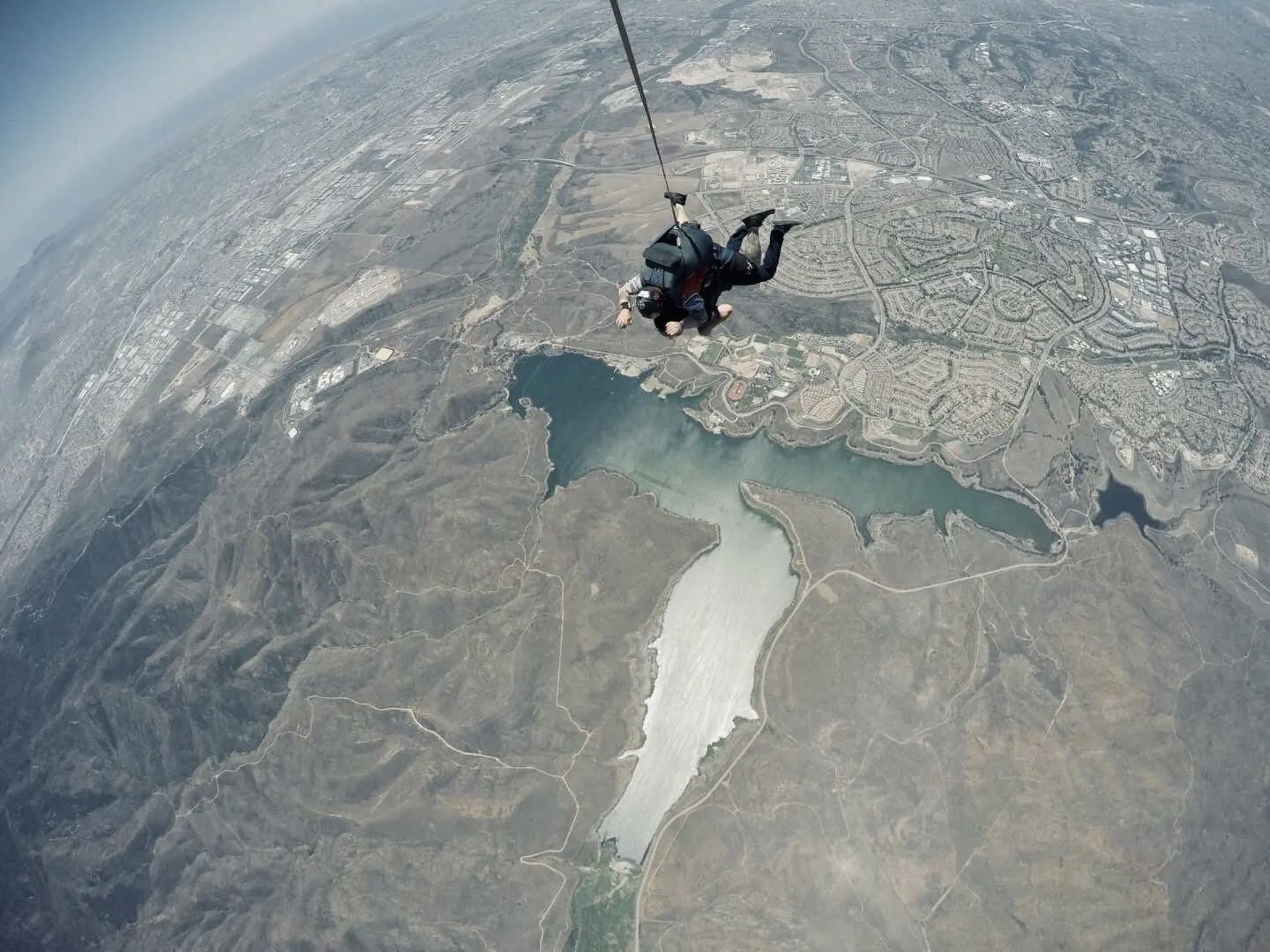
Learn to skydive in Asia.
Accelerated Freefall is the fastest route from first-timer to licensed solo skydiver. Seven progressive levels, real freefall from your very first jump with two instructors at your side stepping back as your skills land. Curated AFF dropzones across Asia.
A course, not a one-off jump.
AFF — Accelerated Freefall — is a structured course, not a one-off ride. Unlike a tandem, you wear your own rig and fly your own body from the very first jump, with instructors gripping you until you prove you can hold stability alone. You progress through seven skill gates, then consolidate toward your first licence.
How the course works
Each level is a specific set of skills you have to demonstrate before moving up; you repeat a level if you do not nail it, which is normal and not a failure. Most students reach their first unassisted freefall by Level 3 and clear all seven levels in seven to ten jumps, then build toward a first licence at around 25 jumps total.
It starts on the ground: a half-day to full-day ground school covers gear, freefall body position, canopy control, emergency procedures and the dropzone's rules before you ever board the aircraft.
The AFF progression, level by level.
Stability & altitude awareness
Two instructors hold you from exit. You learn to fall stable, check your altimeter, and practise three reach-and-touch ripcord pulls before deploying yourself.
Controlled exit, body awareness
Still two instructors. You refine a stable arch and start managing heading, building the muscle memory the later solo levels depend on.
First unassisted freefall
Both instructors release you in freefall for the first time. You hold your own stability and altitude unaided — the jump most students remember as the turning point.
90° turns
Down to one instructor. You initiate and stop controlled 90-degree turns and hold fall-rate, beginning to truly fly your body.
360° turns
You link larger 360-degree turns in both directions, demonstrating you can stop precisely on a heading.
Solo exit & recovery
You exit the aircraft on your own, recover from instability, and add forward tracking — the skills that keep you safe in a group.
Freefall skills demo
A dive exit and a full demonstration of every freefall skill. Pass, and you are cleared to jump without an instructor on the dive.
Consolidation → first licence
After Level 7 you are cleared to jump without an instructor on the dive. A run of coached consolidation jumps takes you to roughly 25 jumps total and your first licence — USPA A, APF, or the local federation equivalent. See the licence-federation comparison.
Operator presence by country.
Each links to the country hub, where the dropzones, cities and getting-there detail live. These are the live AFF counts.
Every AFF dropzone, by country.
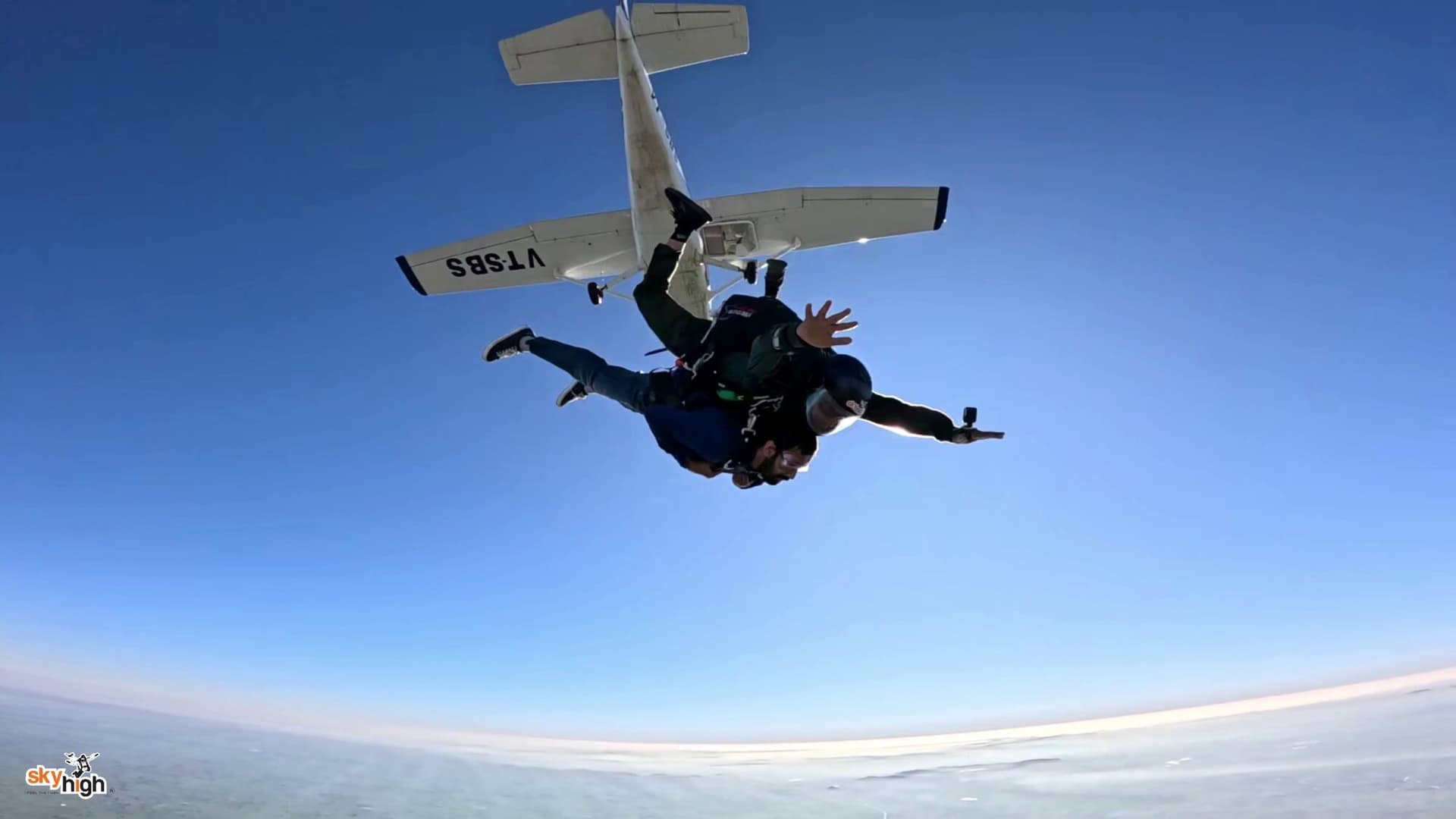
Skyhigh India
NARNAUL AIRSTRIP·INDIA
India's only USPA-affiliated DZ — tandem & AFF over Haryana, ~2-3 hrs from New Delhi.
From $394
≈ ₹37,759
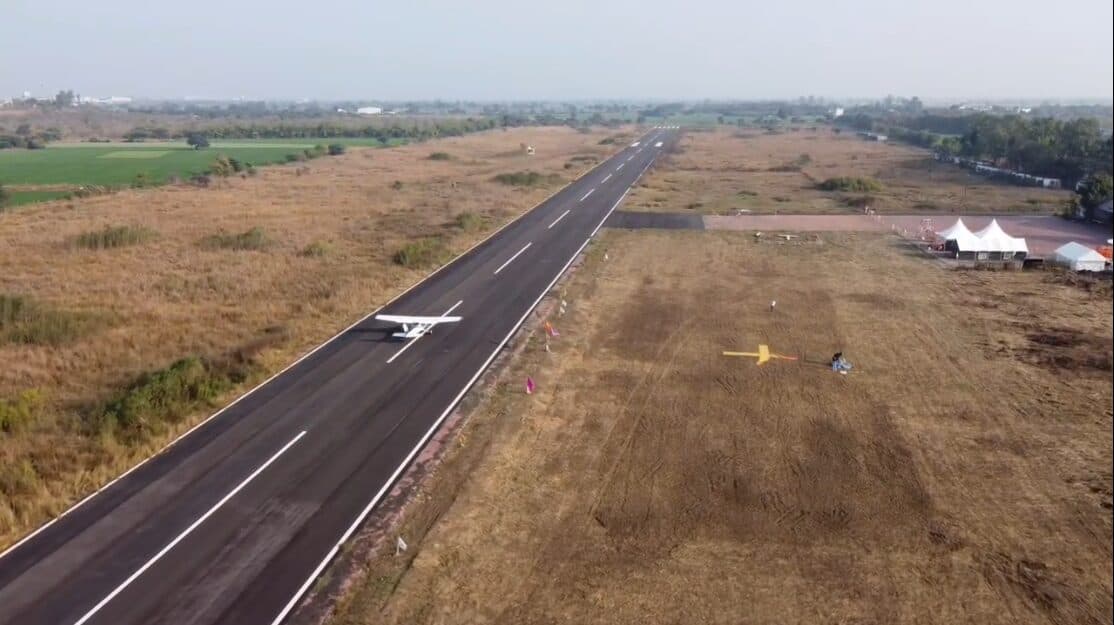
Skyhigh India (Ujjain)
DATANA AIRSTRIP·INDIA
Skyhigh India's seasonal camp — USPA tandem at Datana Airstrip, Ujjain.
From $394
≈ ₹37,759
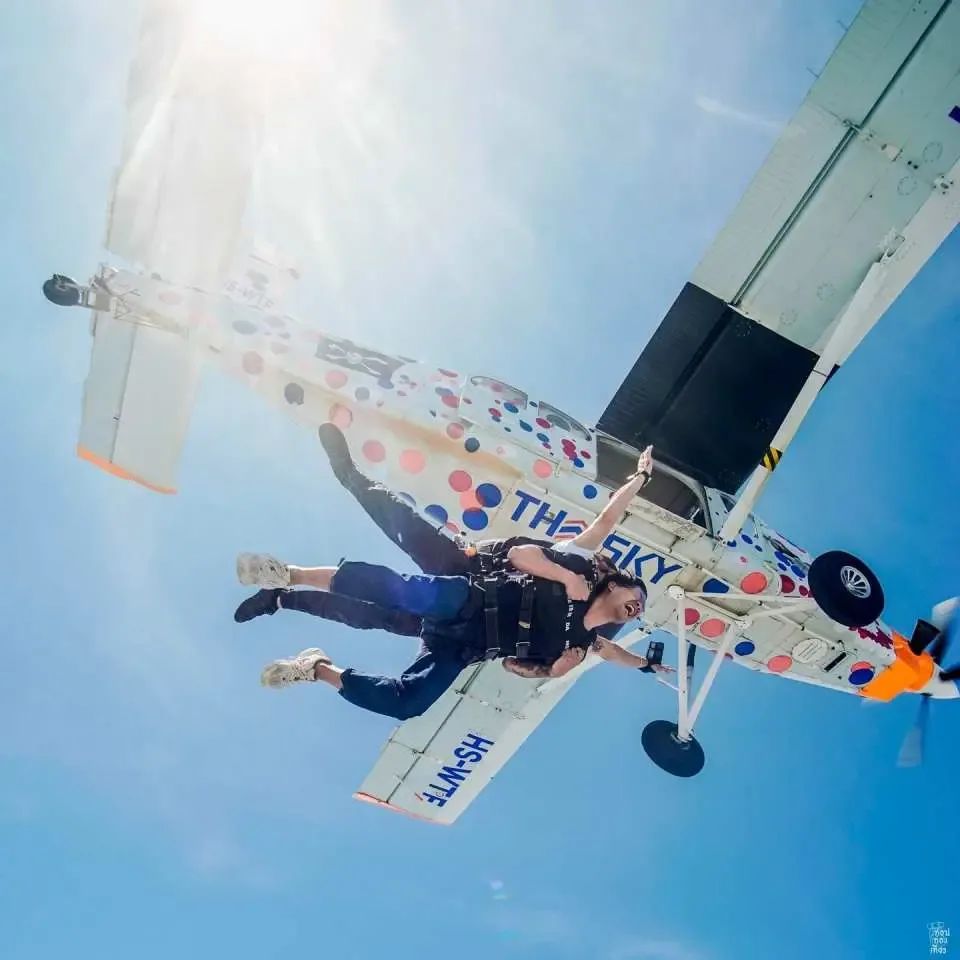
Thai Sky Adventures
PATTAYA·THAILAND
Thailand's premier skydiving centre — the highest tandem jump in the country at 13,000 ft with stunning Gulf of Thailand ocean views.
From $281
≈ THB 9,450
Dropzone Thailand
RAYONG·THAILAND
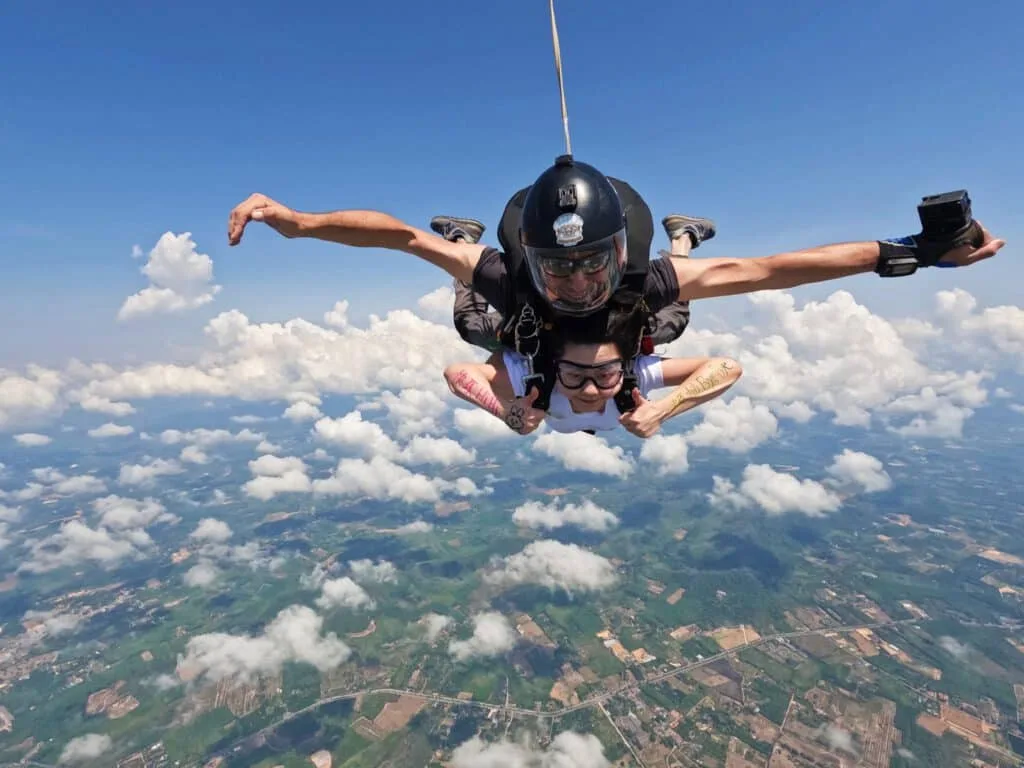
Sea-view tandem near Pattaya — 13,500 ft over the Gulf of Thailand from a private Rayong airfield.
From $238
≈ THB 8,000
Course cost, by country.
Plan your progression.
AFF questions, answered.
The seven levels typically take 7–10 jumps if you progress cleanly, which committed students often complete in one to two weeks of jumpable weather. You then consolidate to roughly 25 jumps total for your first licence. It can be spread across multiple trips.
No. AFF starts you as a solo student from jump one. Some people do one tandem first to see if they enjoy the sensation before committing to a course, but it is not a prerequisite at any operator we list.
Typically 18 or over, an upper weight limit around 95–100 kg, and reasonable fitness — you are flying your own body and landing your own canopy. A medical declaration is standard; some federations require a doctor sign-off. Each operator confirms its own gates.
After clearing the levels and your consolidation jumps you earn a first licence — USPA A-licence, an APF certificate, or the local federation equivalent — which lets you jump solo, rent gear and jump at dropzones worldwide. The federation comparison guide explains the differences.
Level 1 currently starts around THB 13,500 in Thailand; a full course to licence runs from about INR 250,000 in India. The cost band above shows Level 1 and full-course pricing by country — final pricing comes from each operator.
A tandem is a single jump attached to an instructor with nothing to learn. AFF is a course that teaches you to skydive solo. If you want the experience once, tandem; if you want to become a skydiver, AFF. Our comparison guide lays it out side by side.
Yes. Levels stay valid for a period that varies by operator and federation; long gaps may mean a refresher jump or repeating a level. If you are travelling, tell the operator your dates so they can sequence your jumps around the weather.
Start your AFF course.
Curated AFF dropzones across Asia, from full USPA syllabuses to club programmes. Compare them and send an inquiry direct to start your progression.