Skydiving in Japan.
Skydive Japan from JPY 56,000: tandem exits over Kawajima, Chikusei, Toyooka, Fujioka and Hokkaido. Compare 5 vetted dropzones and see prices.
What you need to know.
Across 5 cities
Mild temperatures and clear visibility
Bookings shown DZ-local + HKT
Lowest tandem package across the country
The state of the sky in Japan.
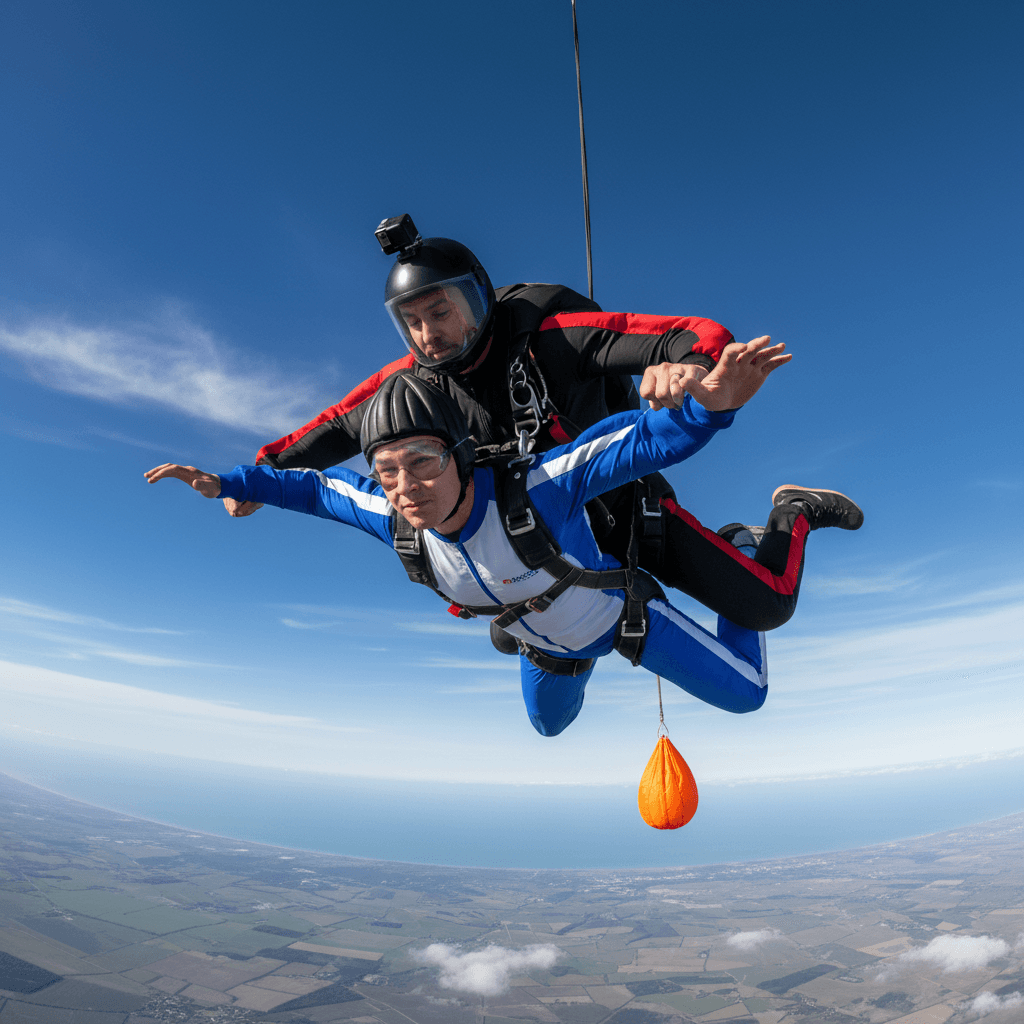
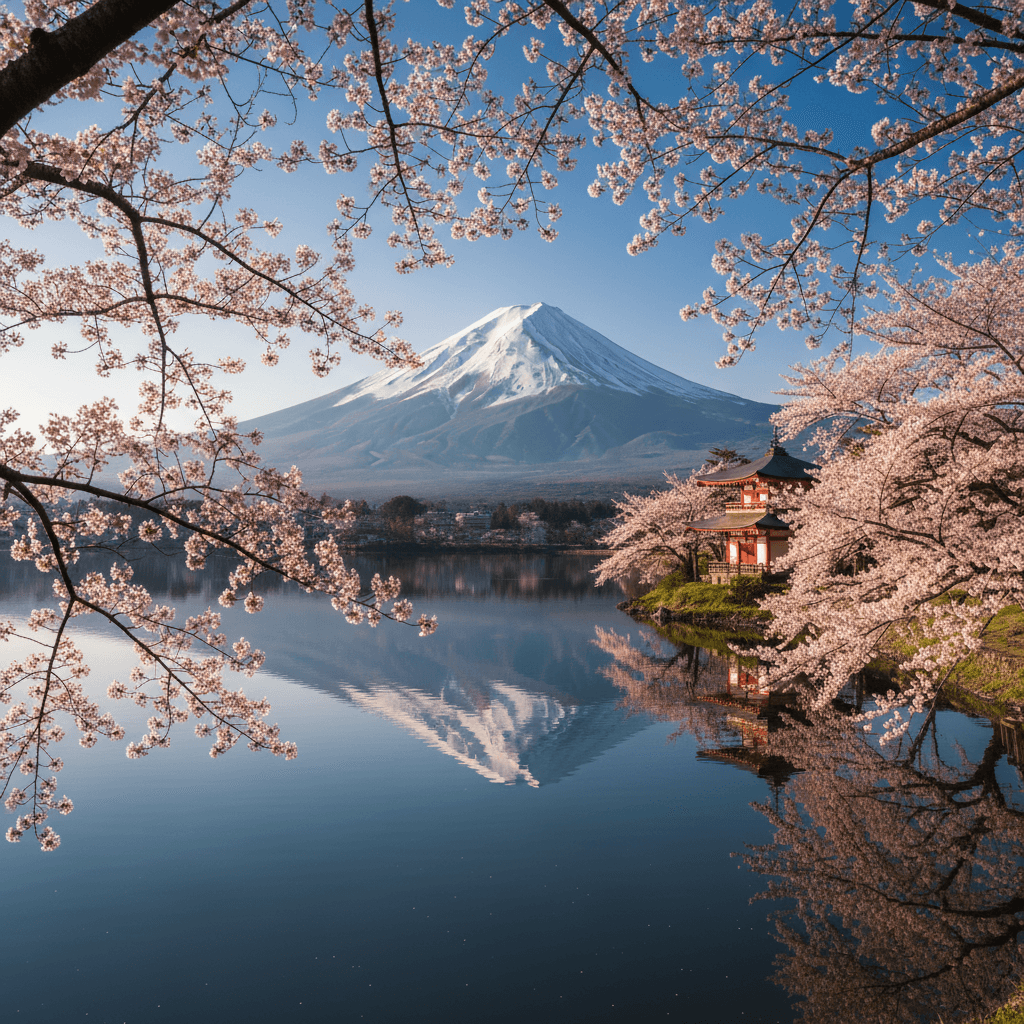
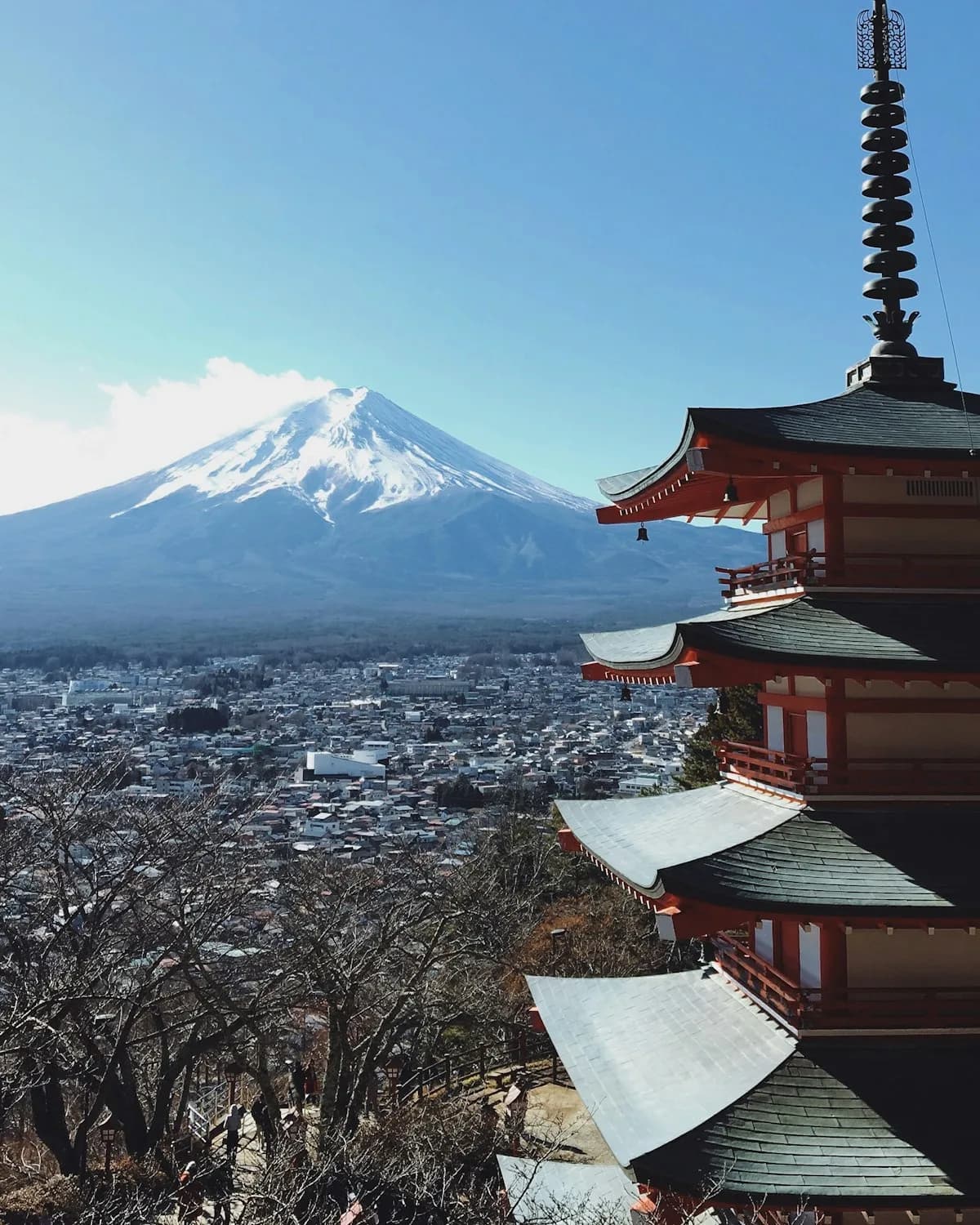
Japan has five dropzones on Skydive In Asia, spread from the Kanto plain to the Sea of Japan coast and north to Hokkaido — and they differ from each other more than any other country's set in the region. Three sit within reach of Tokyo. Skydive Nippon flies from Honda Airport in Kawajima, Saitama — the closest dropzone to central Tokyo at about 45 minutes from Tokyo Station, and the highest exit in the country at 13,000 ft. Skydive Azul flies helicopter tandems from Chikusei in Ibaraki, and is the only operator in the country running a Mount Fuji jump — that one departs separately from Nirasaki in Yamanashi, also by helicopter, with a strict 175 cm and 80 kg cabin limit. Skydive Fujioka, on the Watarase riverbed in Tochigi, advertises the longest freefall in Japan at close to 60 seconds from around 3,800 m. West, Skydiving Kansai flies at Toyooka in Hyogo — the natural choice if you are travelling the Osaka and Kyoto side. North, Skydive Hokkaido runs a short premium season at Yoichi with Niseko and Kutchan in view. Season depends on where you jump. Hokkaido is summer only. Fujioka flies most weekends and holidays but closes from mid-January to the end of February, when winter winds ground too many loads to be worth scheduling around. Kansai and Ibaraki run most of the year, weather permitting. Spring and autumn give the clearest air, and cherry blossom and autumn foliage are both worth planning a jump around. Every listed Japanese operator takes international tandem guests, and you can enquire in English through Skydive In Asia.
Where to jump.

Skydive Azul
CHIKUSEI·JAPAN
The Tokyo area's only helicopter tandem — hover exit at ~12,000 ft, 90 min from Tokyo.
From $353
≈ ¥56,000
Skydive Fujioka
FUJIOKA·JAPAN
Japan's longest freefall (60s) at 3,800 m — ~1h 15min from Tokyo.
From $385
≈ ¥61,000
Skydive Hokkaido
YOICHI·JAPAN
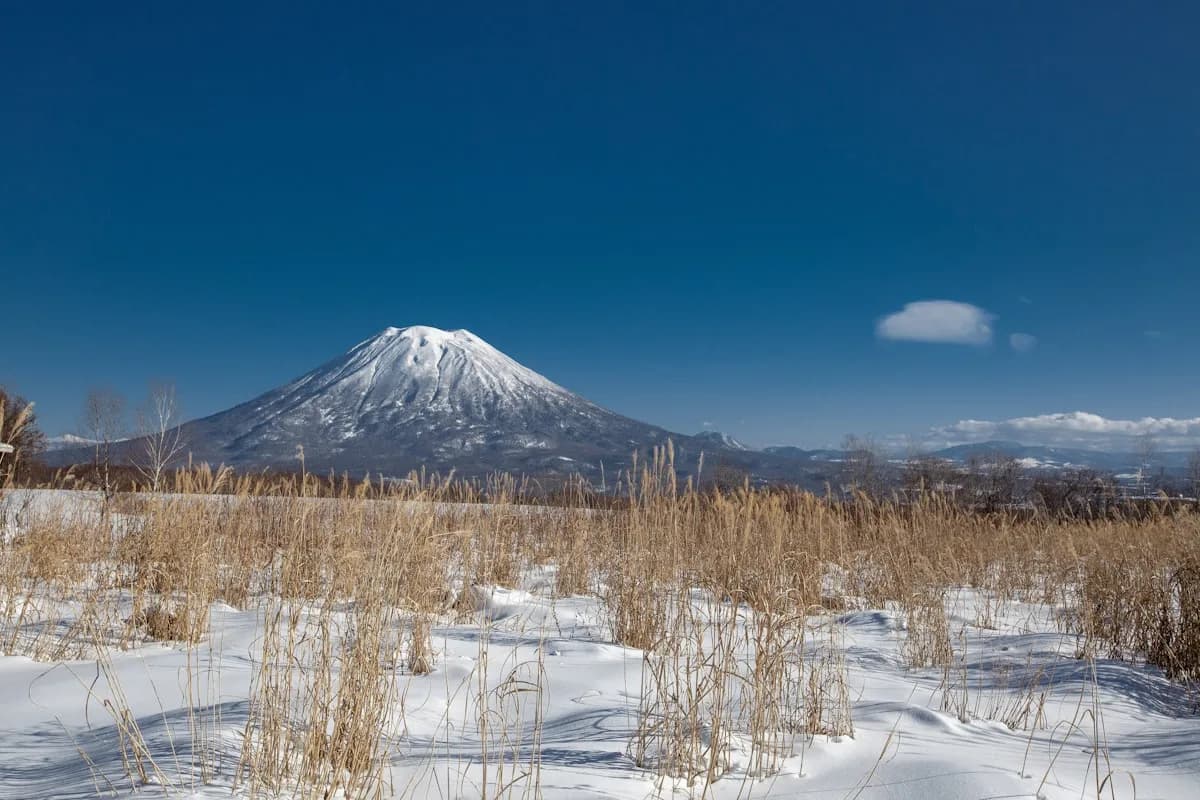
Seasonal Hokkaido tandem (May-Oct) — Yoichi, near Niseko.
From $1,261
≈ ¥200,000
We'll check with the operator

Skydive Nippon
KAWAJIMA·JAPAN
Tokyo's closest dropzone — 45 min from Tokyo Station, exits from 13,000 ft.
From $388
≈ ¥61,500
Skydiving in Japan: your questions.
How much does skydiving in Japan cost?
Tandem jumps start at JPY 56,000 at Skydive Azul (Chikusei, Ibaraki — a helicopter exit), JPY 58,000 all-inclusive at Skydiving Kansai (Toyooka, Hyogo), JPY 61,000 at Skydive Fujioka (Tochigi) and JPY 61,500 at Skydive Nippon (Kawajima, Saitama). Skydive Hokkaido at Yoichi is a premium seasonal jump at JPY 200,000. Azul's Mount Fuji helicopter tandem, which departs from Nirasaki in Yamanashi, is JPY 99,000.
Where can I skydive in Japan?
There are five dropzones: Skydive Nippon at Kawajima in Saitama, Skydive Azul at Chikusei in Ibaraki and Skydive Fujioka in Tochigi, all within reach of Tokyo; Skydiving Kansai at Toyooka in Hyogo for the Osaka and Kyoto side; and seasonal Skydive Hokkaido at Yoichi.
Can I skydive over Mount Fuji?
Yes, with Skydive Azul — but it is a separate product from their Ibaraki jump. The Mount Fuji tandem departs by helicopter from Nirasaki in Yamanashi, costs JPY 99,000, and the cabin is narrow enough that there is a hard limit of 175 cm and 80 kg with no exceptions.
When is the best time to skydive in Japan?
April to November is the prime window — mild temperatures and the clearest visibility. Hokkaido is summer only, and Fujioka closes from mid-January to the end of February when winter winds make the jump window unreliable. Cherry blossom in spring and autumn foliage are both worth planning a jump around.
Do I need Japanese to book a jump in Japan?
No. You can enquire in English through Skydive In Asia, and the listed operators are used to international tandem guests. Some on-site paperwork and the safety briefing may still be in Japanese, so allow a little extra time on the day.